TERROIR
The Swartland
Dewaldt Heyns Family Wines emerged from Dewaldt’s lifelong desire to make wines that reflect the region he has known his whole life – the Swartland.
Landscape
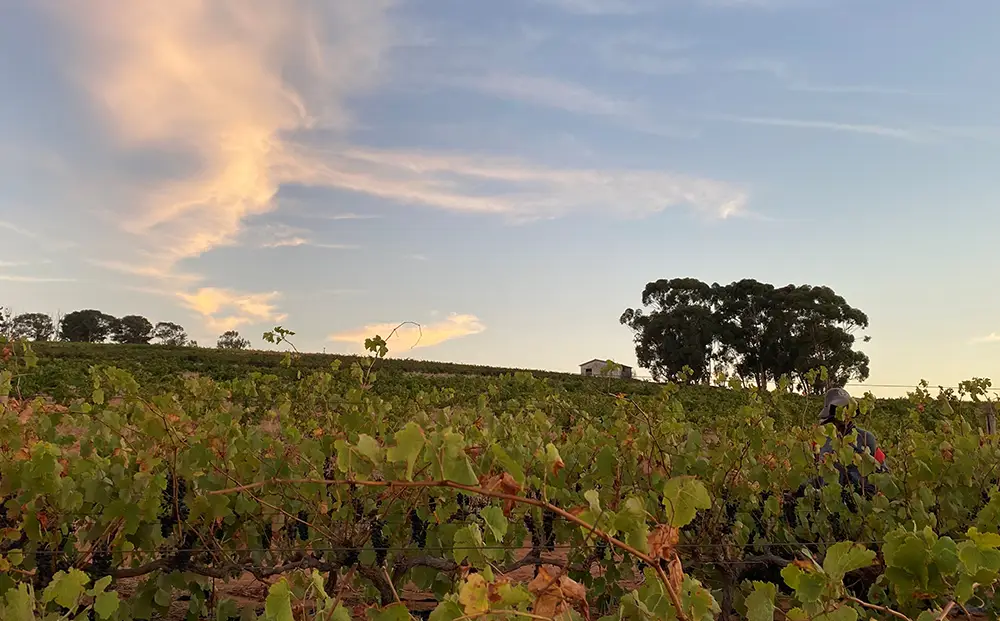
North of Cape Town, the Swartland stretches across a broad, undulating landscape of wheat fields, vineyards and low mountain ridges. Traditionally known as the breadbasket of the Cape, it has, over time, also become one of South Africa’s most distinctive wine regions – defined by its dryland farming, old bush vines and strong sense of place. The wider region includes Malmesbury, the Paardeberg, the Riebeek Valley and surrounding areas, each contributing its own nuance to the character of the Swartland.
The name Swartland traces back to the early Dutch settlers, who referred to it as Het Zwarte Land – the Black Land – after the dark appearance of renosterbos across the hills in the rainy season. What remains today is a landscape both rugged and generous, where old vines and open skies continue to shape wines of depth, texture and quiet intensity.
Climate
The Swartland is shaped by a Mediterranean climate of wet winters and long, dry summers. In the warmer parts of the region, low rainfall and limited irrigation encourage the vines to dig deep and produce naturally modest yields, resulting in fruit of concentration and character. In certain western and coastal-influenced sites, cooling Atlantic breezes bring relief, preserving freshness and helping to moderate ripening.
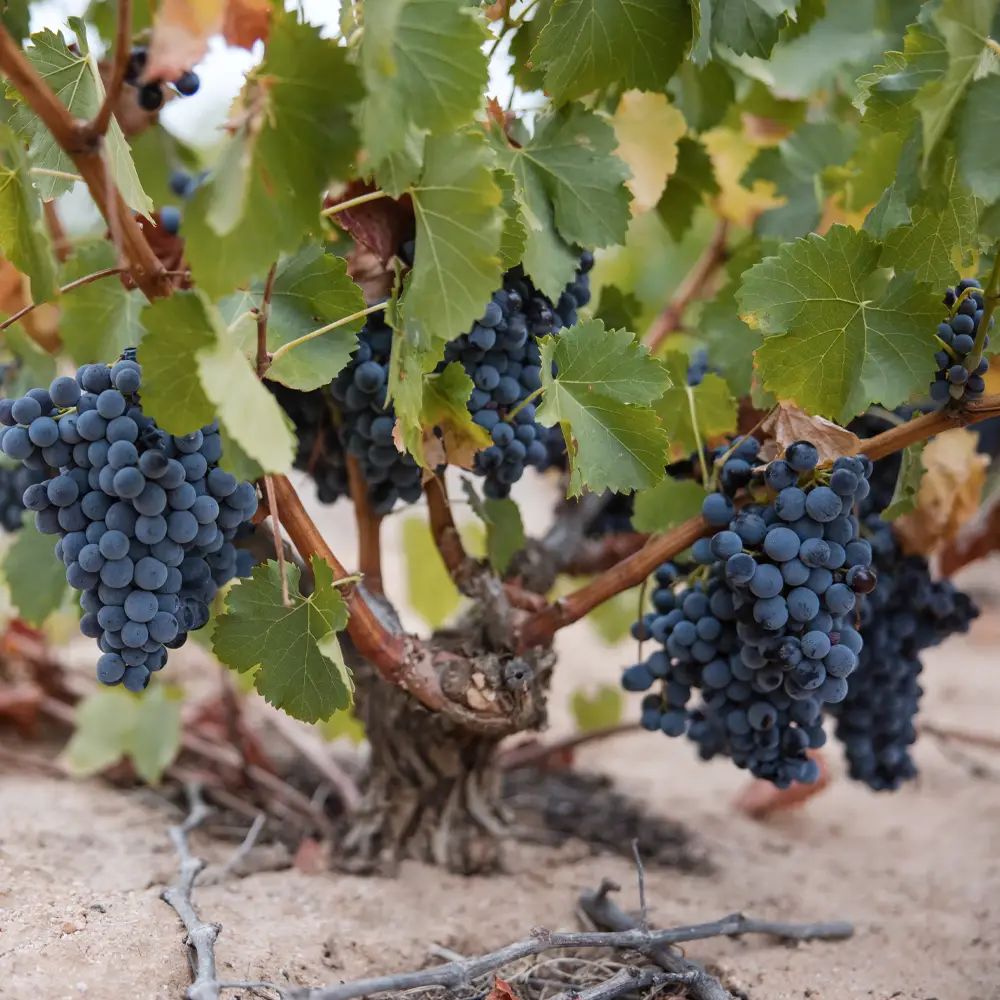
Dry-farmed bush vines remain central to the region’s identity, particularly on older sites. Careful canopy management and hand-picking help preserve freshness and balance, even in the region’s warm, dry conditions. Across the Swartland, vineyards are planted across a range of elevations and aspects, in soils that include granite, shale and other ancient formations. Together, these conditions contribute to wines that are expressive, structured and closely tied to their origin.
For Weathered Hands, fruit is sourced from carefully selected parcels that resonate with the cultivars grown on them. The Chenin Blanc is rooted in east-facing, deep, weathered Paardeberg granite soils, while both the Pinotage and Shiraz grow on south-facing slopes in deep, porous granite soils rich in iron oxide. The Pinotage soils have a distinct sandy-loam texture, whereas the Shiraz soils have a heavier clay-loam texture. All the vineyard sites are selected for their capacity to promote deep root penetration – essential for the vine's survival through the Swartland's characteristically dry summer months.
Varieties
The Swartland has become especially known for old-vine Chenin Blanc, as well as Rhône varieties such as Shiraz, Grenache, Mourvèdre and Viognier. These varieties have found a natural home here, yielding wines that combine ripeness with freshness, structure and depth. Old bush vines, dryland conditions and thoughtful farming all shape their character.
The region is home to some of South Africa’s oldest Chenin Blanc vineyards, which have become central to its identity. Swartland Shiraz, in particular, has earned recognition for its quality and distinction, while varieties such as Pinotage continue to add breadth to the Cape’s old-vine story. Together, they reflect a region whose strength lies not in fashion, but in authenticity, resilience and a close relationship with the land.